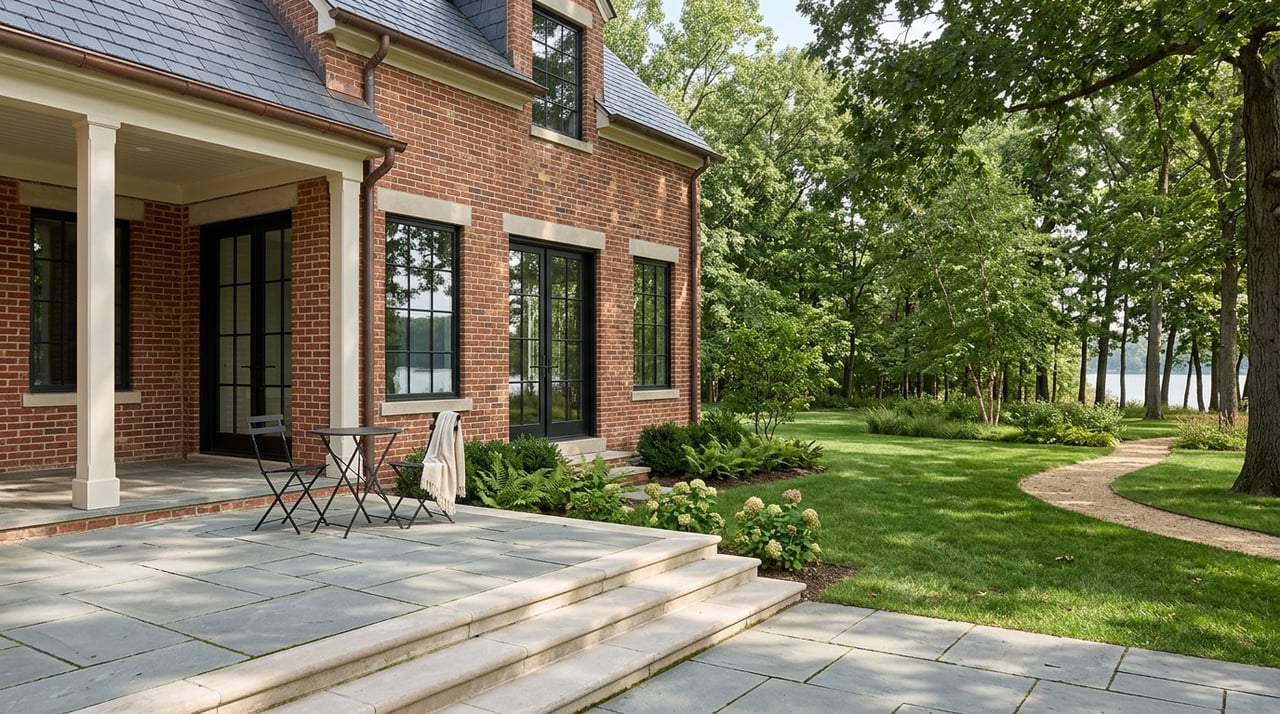
Riverside’s Historic Homes, Parks, And Riverfront Living
May 14, 2026
May 14, 2026
If you want a suburb with a strong sense of place, Riverside stands out right away. This is a community where curving streets, historic homes, and green space are not afterthoughts. They are part of the original plan. If you are thinking about buying or selling here, understanding that design story can help you see why Riverside feels different from so many other west suburban markets. Let’s dive in.
Riverside was planned in 1868 and 1869 by Frederick Law Olmsted and Calvert Vaux as a 1,600-acre community west of Chicago. According to the National Park Service, the idea was to create a place where residents could live closely with nature while still having modern conveniences.
That vision still shapes daily life today. The village is known for curving streets, a layout that avoids square corners and cul-de-sacs, and a network of parks and open space that supports walking, outdoor recreation, and a more scenic rhythm of life.
Riverside was incorporated in 1875 and is about eleven miles west of Chicago’s Loop. Village materials describe it as a walkable community with a rural setting in the middle of the Chicago region, which helps explain why it continues to attract buyers who want both character and convenience.
Riverside’s housing stock is one of its biggest draws. Village materials note that the community includes work connected to major architectural figures such as Frank Lloyd Wright, Louis Sullivan, William Drummond, and William Le Baron Jenney.
That level of architectural history is unusual for a suburb of this size. Riverside also includes five Frank Lloyd Wright-designed houses, and two of those are National Historic Landmarks, which adds another layer of long-term cultural value to the village.
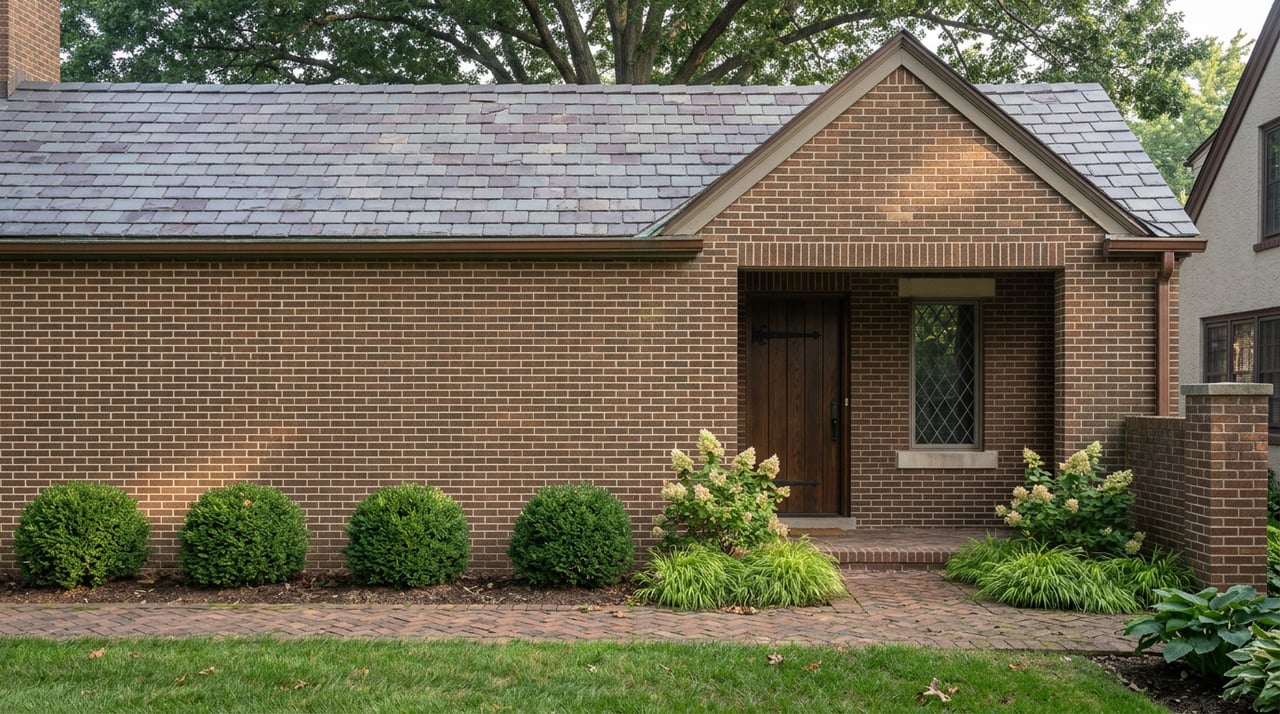
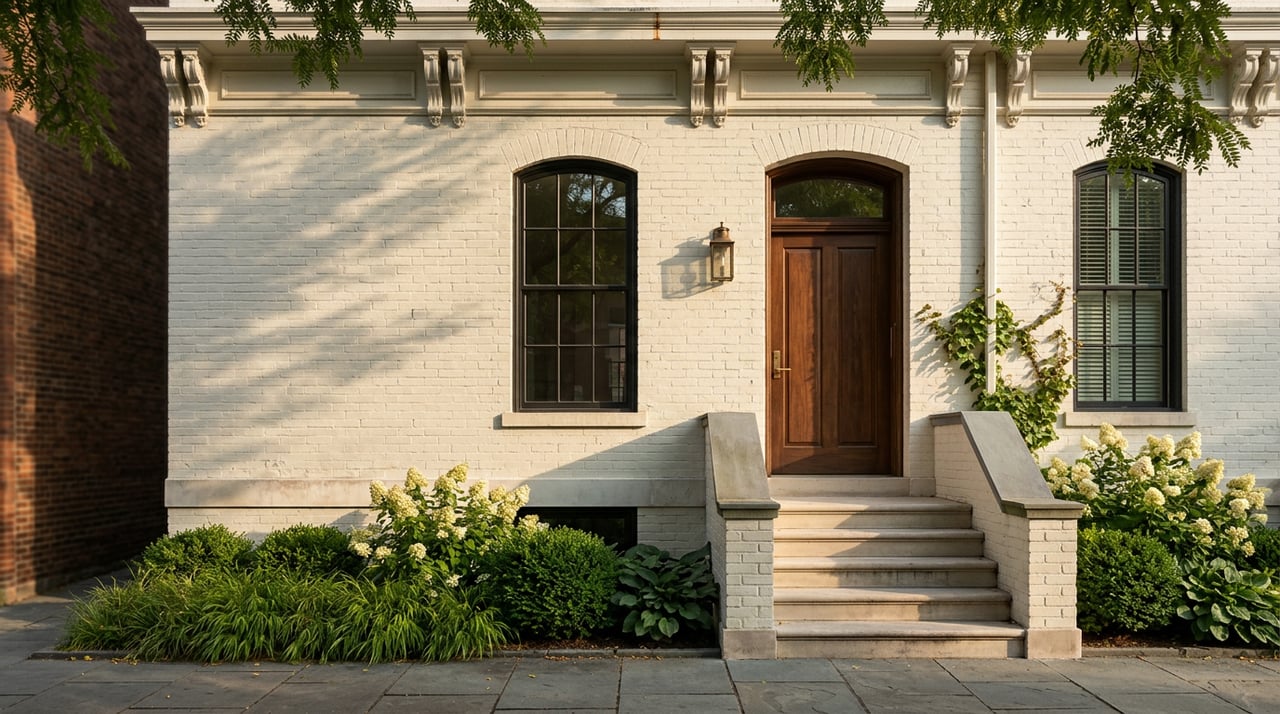
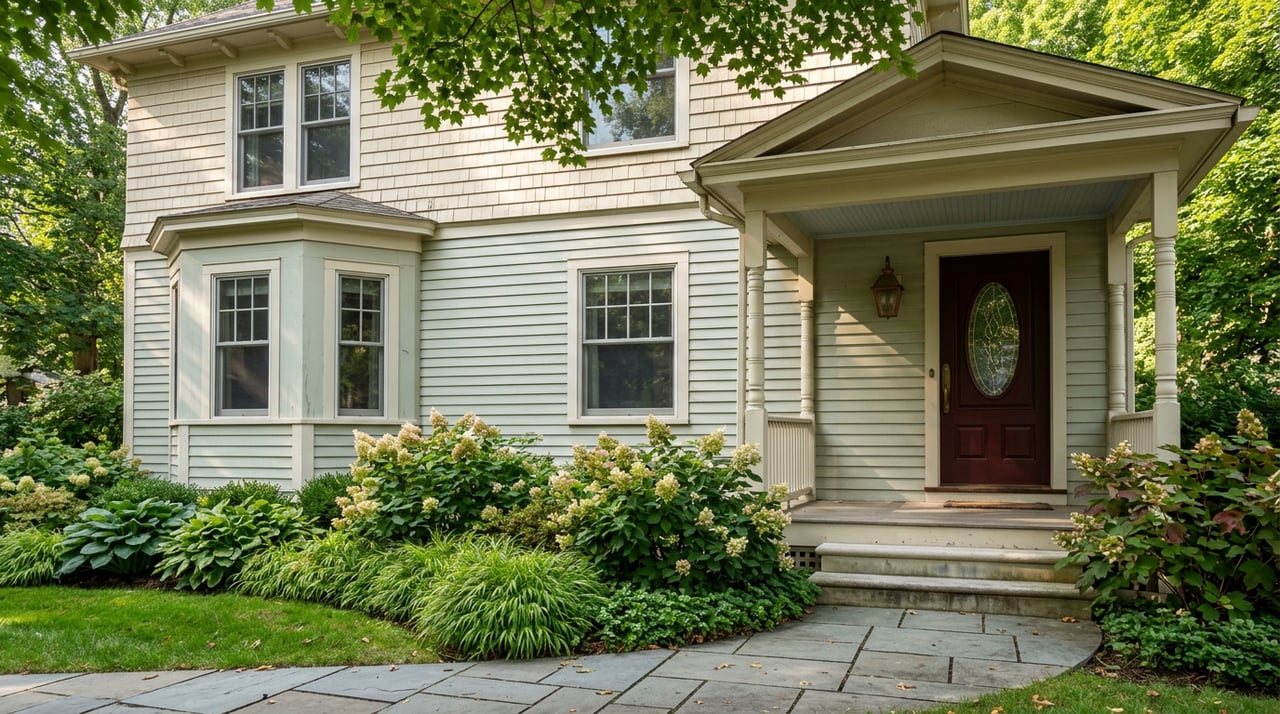
At the same time, Riverside is not defined by one look. The village reports that homes range from ranches to Queen Annes and farmhouses, so buyers can find a broader mix of styles than they might expect from a historic community.
For you as a buyer, that means Riverside can offer everything from a lower-maintenance condo or smaller home to a standout historic residence. For you as a seller, it means presentation matters because buyers are often shopping as much for lifestyle and architectural character as they are for square footage.
The Des Plaines River is central to Riverside’s identity. From the beginning, the community was designed to encourage strolling, boating, and everyday connection to the landscape.
That design still shows up in the way Riverside lives today. The village’s parks map highlights the Des Plaines River along the village edge, along with a network of parks and nearby forest preserve trails that support a very outdoor-oriented lifestyle.
This matters if you are choosing a home based on how you want your days to feel. In Riverside, access to green views, walking routes, and open space is often part of the appeal, not just a nice extra.
Riverside’s park system is woven into the community rather than isolated from it. Village materials identify places such as Swan Pond, Indian Gardens, Big Ball Park, Harrington Park, Blythe Park, Patriots Park, Turtle Park, Guthrie Park, and Centennial Park.
That range gives residents multiple ways to enjoy the outdoors close to home. Some spaces support active recreation, while others contribute to the village’s scenic character and make casual walks or quiet afternoons easier to build into your routine.
Riverside Parks & Recreation also supports youth and adult programming, community events, and seasonal activities. That adds a practical layer to the lifestyle, because it is not only about beautiful scenery. It is also about how the village uses its public spaces throughout the year.
Many buyers are drawn to Riverside because it combines natural beauty with a compact village center. The village describes Riverside as walkable, and daily life often revolves around the downtown area and the train station.
That setup can make routines feel more manageable. Whether you are heading into the city, meeting friends locally, or taking part in a community event, the center of town creates a clear gathering point.
Parking and train access are part of that equation too. Village parking information shows that Lot 1 is directly west of the Riverside Train Station, and resident and commuter spaces are managed through permits, with the possibility of waitlists in some lots.
Riverside’s historic identity is not frozen in time. It continues through community programming, tours, and seasonal events that reflect the village’s landscape and heritage.
The Riverside Historical Commission operates the Riverside Museum and offers tours and educational outreach. The Olmsted Society also organizes walking tours that depart from the main Riverside train station from May through August.
The village calendar for May 2026 included events such as Riverside Ride, Fishing Derby, Gardening for Pollinators, and Spring Plant Giveaway. That mix gives you a sense of the local rhythm. Riverside is a place where architecture, landscape, and community activity all work together.
If you are exploring Riverside, it helps to think in terms of a price range rather than one number. Different housing platforms measure the market differently, but together they show a community with meaningful variety.
As of March 2026, Zillow’s home-value index placed the average Riverside home at $547,998 and showed a median list price of $607,833. Realtor.com reported a median listing price of $629,000 and described Riverside as a seller’s market, with homes selling at about asking price on average.
Redfin reported a March 2026 median sale price of $705,000. It also described the market as very competitive, with homes receiving about two offers on average and selling in around 45 days.
Active listings also show a wide spread in real time. Zillow’s listing data reflected homes from a $229,900 condo to a $1.65 million house, with several homes in the $400,000 to $800,000 range and multiple properties above $1 million.
For buyers, Riverside offers more range than its historic reputation might suggest. You may find options at very different price points, but competition and pricing can vary based on architecture, condition, location within the village, and how well a property connects to the Riverside lifestyle buyers want.
For sellers, that same nuance creates opportunity. Homes that clearly showcase architectural details, setting, and proximity to parks, the village center, or the train station may resonate strongly with buyers who already understand Riverside’s appeal.
This is where local market intelligence matters. In a community like Riverside, pricing is not only about comparable square footage. It is also about how a home fits into the broader story of the village.
Riverside can be compelling for several kinds of buyers because it blends history, outdoor access, and convenience. Some people are drawn to the design legacy and older homes with character. Others are focused on walkability, the village center, or a train-connected location west of Chicago.
It also appeals to buyers who want a setting that feels established and visually cohesive. The combination of winding streets, mature greenery, parks, and varied architecture creates a lifestyle that feels intentional.
That sense of identity is hard to manufacture. In Riverside, it has been part of the village since the beginning.
If you are buying in Riverside, start by narrowing what matters most to you:
If you are selling, focus on the features that make your property feel specifically Riverside:
A thoughtful strategy matters here because Riverside buyers are often looking for more than a house. They are looking for a place with a clear identity and a daily experience that matches it.
If you are considering a move in Riverside, working with an advisor who understands both the market data and the lifestyle side of the village can help you make more confident decisions. To talk through your next step with a calm, consultative approach, connect with Lisa Zaklan.
With over 25 years of sales & marketing knowledge and experience, Lisa has built her reputation on integrity & service and believes in using her experience in contract negotiations, sales and marketing to your advantage.