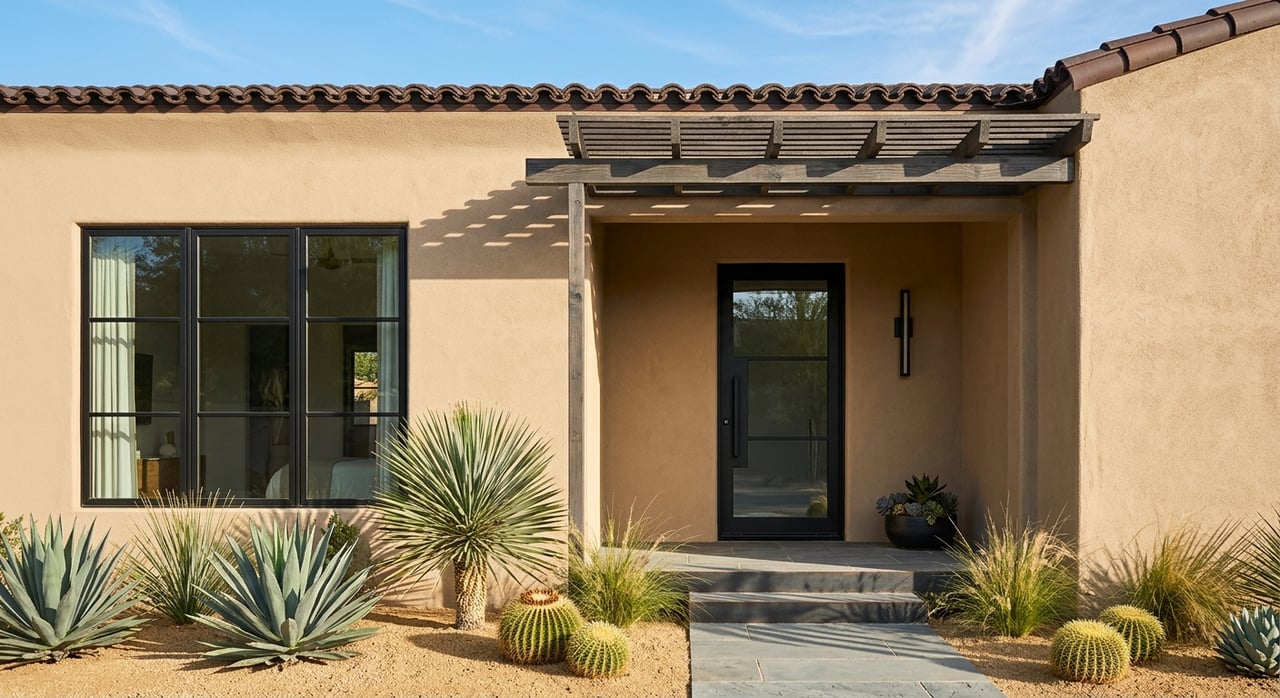
Relocating to Phoenix From the Midwest: Best Areas
July 16, 2026
July 16, 2026
Moving from the Midwest to Phoenix can feel exciting and a little disorienting at the same time. You may be looking for sunshine, a new job, a second home, or a lifestyle change, but you also want a neighborhood that feels right day to day. This guide will help you compare Phoenix areas through a Midwestern lens so you can better understand housing styles, commute patterns, and lifestyle fit. Let’s dive in.
Phoenix is not one single neighborhood experience. The city is organized into 15 urban villages, and each one has its own planning character, housing mix, and development pattern. That matters when you are trying to decide whether you want historic streets near the core, a central established neighborhood, or a newer master-planned area on the edge of the city.
The climate is often the biggest shift for Midwestern buyers. Phoenix Sky Harbor climate normals show an average annual temperature of 75.6°F and annual rainfall of 7.22 inches. In practical terms, that means features like shade, cooling, low-water landscaping, pools, and easy access to parks or trails often carry more weight here than they might in Chicago, Milwaukee, Minneapolis, or St. Louis.
Phoenix is also a large city, with about 1.665 million residents and 610,442 households. The mean commute is 25.6 minutes, and many buyers still make neighborhood decisions based on freeway access, parking, and proximity to major job centers. If you are used to a more compact Midwestern suburb, that difference is important to understand early.
If you are relocating from the Midwest, you may be searching for something familiar at first. That often means low-rise neighborhoods, single-family homes, easier parking, and a stronger sense of separation between residential and commercial areas. In Phoenix, you can find those patterns, but you need to know where to look.
You may also be comparing neighborhoods by how they support your routine. Some areas are better for compact living and transit access, while others are better for outdoor recreation, newer homes, or more land. In Phoenix, your lifestyle fit often comes down to how much you value commute efficiency, trail access, and housing age.
If you want the most urban side of Phoenix, Central City is the place to start. This village includes downtown, some of the oldest neighborhoods in the city, designated historic districts, and a major concentration of government, business, culture, and convention activity. It is also one of the city’s strongest transportation hubs, with freeway access, public transit, and convenient airport connections.
For a Midwestern buyer, this part of Phoenix can feel more like choosing a city neighborhood than choosing a suburb. Housing tends to be more compact, with a mix of older homes, historic streetscapes, and higher-density mixed-use living near the core. If walkability, events, and staying close to the action matter more than having a larger lot, this area deserves a close look.
Historic districts and overlays can shape what blocks look like and what future changes may happen nearby. That creates more variety from street to street than many first-time Phoenix buyers expect. If you love character homes and established neighborhood identity, Central City may feel especially appealing.
Transit is another advantage here. Phoenix light rail runs across Phoenix, Tempe, and Mesa, and the city says ridership has grown significantly since service began in 2008. The 44th Street/Washington connection to PHX Sky Train also makes airport access a real plus if you travel often.
Camelback East is a smart option if you want a central location without living downtown. The village has a broad range of housing types, and a large share of its homes were built between 1950 and 1970. That gives many parts of the area a more established feel that can appeal to buyers who like mature neighborhood patterns and older housing stock.
This corridor also stands out for lifestyle amenities. The area includes access to Papago Park, Piestewa Peak, the Phoenix Zoo, the Desert Botanical Gardens, and major resort anchors. If you want a polished, central lifestyle with easy recreation and a strong sense of access to both city amenities and outdoor spaces, this area checks many boxes.
For many Midwestern relocators, Camelback East strikes a comfortable middle ground. It is not as dense as downtown, but it still feels connected and established. If you are used to older suburban neighborhoods with character and a strong central location, this part of Phoenix may feel like a natural transition.
North Mountain offers one of the broader mixes of neighborhood styles in Phoenix. The village includes established central-corridor areas, foothill homes, and more suburban sections near the Metrocenter core. It also benefits from parks, canal paths, and direct access to the Phoenix Mountain Preserve system.
This area can work well if you want more space than downtown but still want to stay connected to central job centers. For Midwestern buyers, that often means a more familiar residential rhythm with the added bonus of desert mountain access nearby. It is a practical choice if you want options rather than one narrow housing style.
If your wish list includes room to spread out, outdoor access, and a central location, North Mountain is worth considering. It can be especially appealing if one person in the household wants commute convenience while another wants trails, views, or a more residential feel. That blend is one of its strengths.
Ahwatukee Foothills is one of the clearest fits for Midwestern buyers who want a more familiar suburban pattern. The city describes it as outdoor-focused, with hiking, biking, walking, parks, playgrounds, golf, and a predominantly low-rise environment made up of quiet, master-planned, single-family neighborhoods. That description lines up closely with what many relocating buyers mean when they say they want neighborhood continuity and everyday ease.
The area also offers access to Phoenix and East Valley cities through I-10 and major commercial roads. If you want a suburban environment with mountain access and a more contained neighborhood feel, Ahwatukee often rises to the top of the list. It is one of the easiest Phoenix submarkets to understand if you are coming from a traditional Midwestern suburb.
Many Midwestern suburbs are built around predictability, neighborhood cohesion, and low-rise residential streets. Ahwatukee delivers a version of that pattern in a Phoenix setting. The difference is that your outdoor routine may shift from backyards and summer parks to desert trails, mountain views, and year-round sun.
If you are looking for newer product, Desert View deserves serious attention. This village ranges from a higher-density urban core near Loop 101 and Desert Ridge to lower-density areas farther north with larger lots, horse properties, open space, and trail use. That gives buyers a wide menu of choices depending on whether they want a more planned retail-and-residential environment or a quieter setting with more land.
Near the core, the city points to office space, retail, condominiums, and master-planned communities. Farther north, the pattern shifts to large-lot single-family homes and more open desert character. For a Midwestern buyer, this area can feel like choosing between a newer suburban hub and a more spacious edge-of-city lifestyle.
Desert View often appeals to buyers who want newer construction, a cleaner suburban layout, and strong access to recreation. If you are less interested in historic character and more interested in modern convenience, this part of Phoenix may fit well. It is also a useful area to explore if your ideal home includes more separation, more land, or easy trail access.
Phoenix also offers outer-ring choices for buyers who prioritize value, space, or newer growth patterns. Maryvale includes neighborhoods that range from post-war housing to newer single-family subdivisions and sits about eight miles west of downtown. Laveen has a rural and agriculturally rooted character with mountain access and proximity to downtown, while Rio Vista remains largely undeveloped outside key commercial and residential areas tied to I-17.
These areas are helpful to include because they show how broad Phoenix really is. Not every buyer wants a central corridor or resort-adjacent location. If you are open to edge growth, newer subdivisions, or a more spacious setting, these areas may offer options that align with your budget and priorities.
In Phoenix, commute planning usually starts with roads. Freeway access and parking are still major factors across most of the city, especially if you are commuting to dispersed job centers. That can be a change from parts of the Midwest where commuter rail or older street grids shape housing decisions more directly.
Transit is still important in certain locations. The clearest transit-rich areas cluster around downtown, Tempe, and the light-rail corridor. If you want stronger walkability and a more transportation-connected lifestyle, it can be smart to compare parts of Central City with nearby Tempe, which the city describes as having a walkable downtown, a grid street system, light rail, streetcar, bus circulators, and active transportation networks.
If Phoenix feels big at first, start by matching your lifestyle to the right neighborhood type. You do not need to learn every corner of the city before making progress. You just need a clear picture of what kind of daily life you want.
Here is a simple way to think about it:
Phoenix rewards buyers who look beyond the listing photos and think carefully about daily routine. The best neighborhood for you may have less to do with square footage and more to do with whether you want trail access, airport convenience, a central address, or a more familiar suburban setup. When you view the city through that lens, the options become much easier to sort.
Relocating from the Midwest also comes with a learning curve, especially when you are comparing very different neighborhood patterns across a large metro. Having a guide who understands both the Phoenix area and Midwestern buyer expectations can make the process calmer and much more efficient. If you are planning a move and want thoughtful, lifestyle-focused advice, connect with Lisa Zaklan.
With over 25 years of sales & marketing knowledge and experience, Lisa has built her reputation on integrity & service and believes in using her experience in contract negotiations, sales and marketing to your advantage.