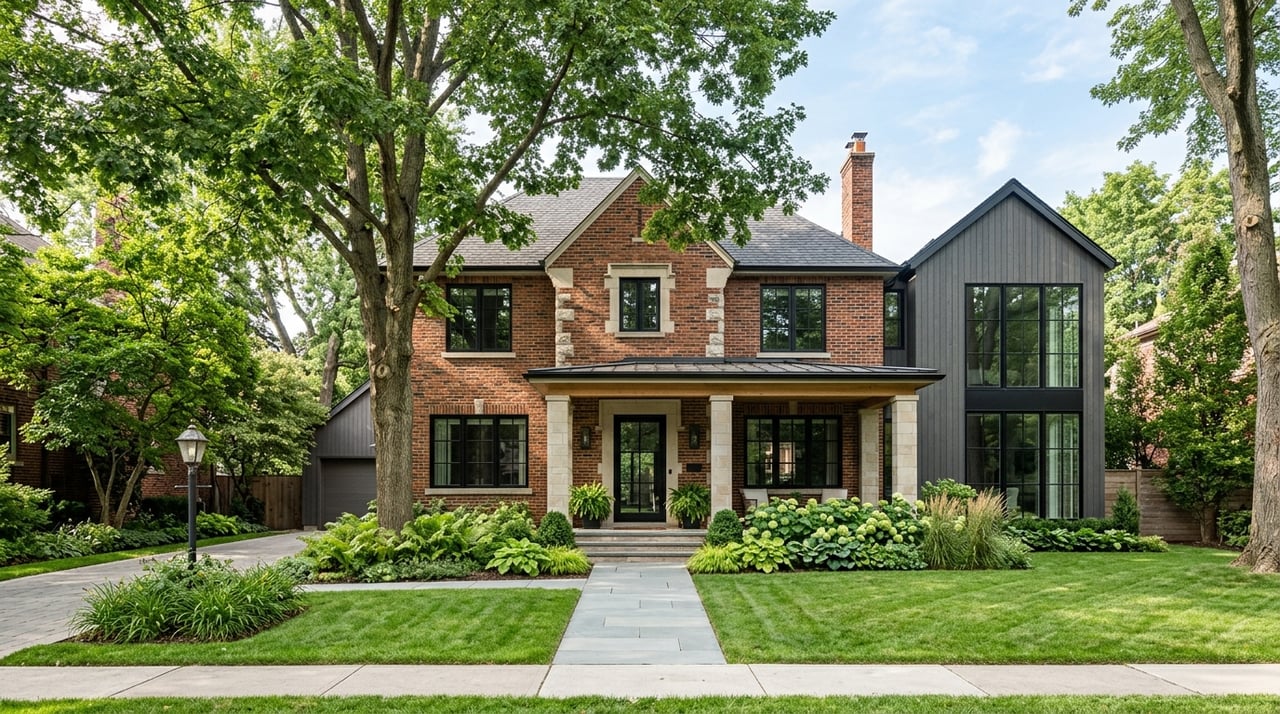
La Grange Vintage vs New Homes: How to Choose
July 9, 2026
July 9, 2026
Are you drawn to the charm of a historic La Grange home, or does the ease of newer construction sound more like your style? It is a common question in a village where older architecture and carefully planned infill both play a real role in the housing market. If you are trying to decide which path fits your lifestyle, budget, and long-term plans, this guide will help you compare the tradeoffs with more clarity. Let’s dive in.
La Grange is not a place where vintage versus new construction is a simple style preference. The village is compact, about 14 miles west of Chicago, with roughly 2.5 square miles of land and a 2020 population of 16,321. It is also known for preserving the character of its original vision, with housing that is largely made up of well-preserved and historically significant single-family homes.
That local context shapes your options. La Grange’s zoning code is designed to preserve established neighborhoods while also allowing beneficial new development that fits the overall character of the village. In other words, both older homes and newer infill have a place here, but each comes with different advantages.
La Grange is also a largely owner-occupied market, with an 81.5 percent owner-occupied rate and a median owner-occupied home value of $594,300. That tends to make this decision less about a short-term move and more about how you want to live over time. For many buyers, the right answer comes down to layout, maintenance, and how much change you want to take on after closing.
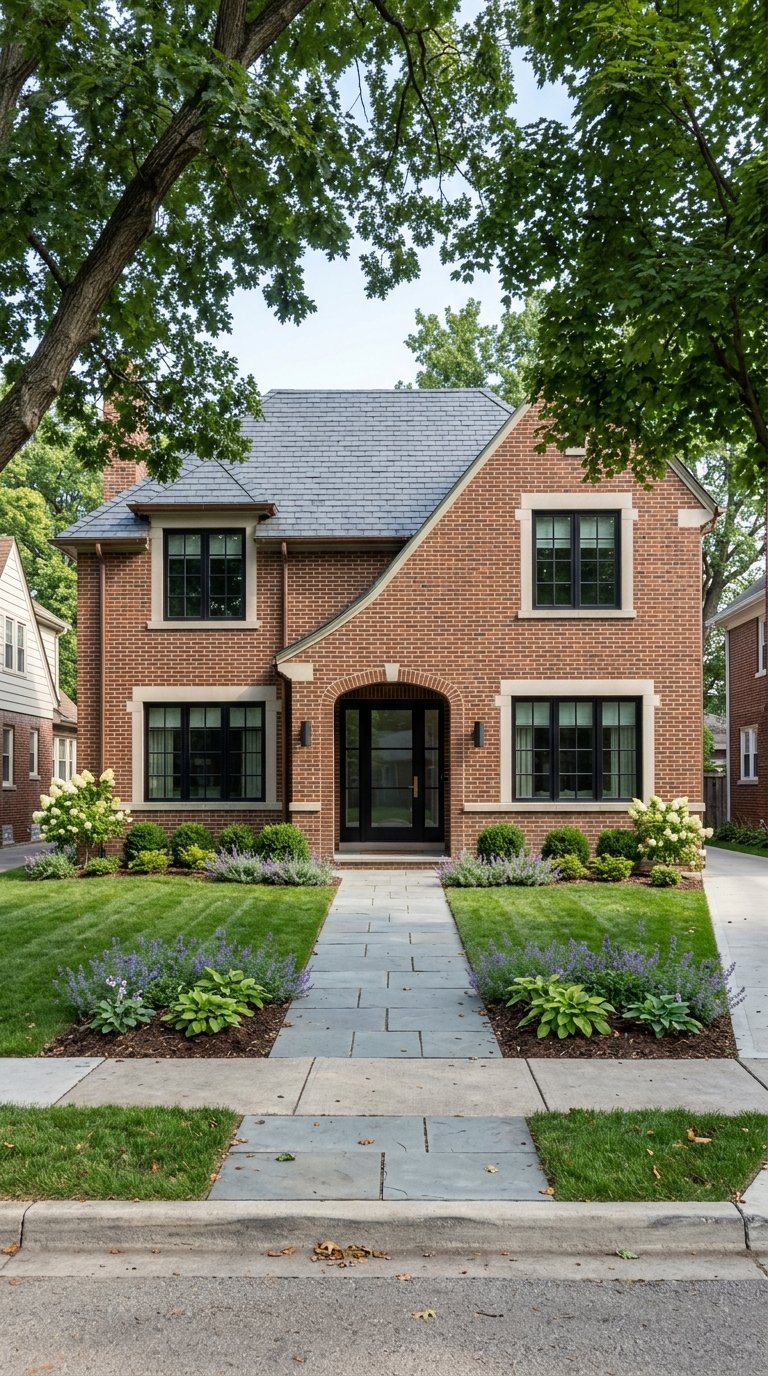
If you love homes with personality, vintage properties in La Grange have a lot to offer. The older sections of the village date from the late 19th century to the early 20th century, and the historic district was placed on the National Register of Historic Places in 1979. These homes often appeal to buyers who value original design details, established streetscapes, and architecture that feels connected to the village’s history.
That character can show up in many forms. Depending on the home, you may find varied architectural styles, mature lots, and a look that feels less standardized than newer construction. For buyers who want a home with a sense of place, this can be a major advantage.
Vintage homes often sit within the older fabric of the village, where the neighborhood pattern has been in place for generations. That can create a strong sense of continuity from one block to the next. If you value a home that feels rooted in La Grange’s identity, an older property may line up well with your goals.
This can be especially meaningful if you are planning to stay for years rather than treat the purchase as a short stop. In a market with a high owner-occupancy rate, many buyers are looking for a home that fits their lifestyle for the long haul.
One of the biggest differences between vintage and newer homes is interior layout. Older homes are generally more likely to have smaller, more separated rooms, with kitchens, dining rooms, and family spaces divided by full walls. If you prefer a more open floor plan, you may need to budget for updates.
That does not mean a vintage home cannot work beautifully for modern living. It does mean you should think honestly about how much renovation you are willing to manage. Opening up a floor plan often involves removing walls, pillars, or arches, which can add complexity to the project.
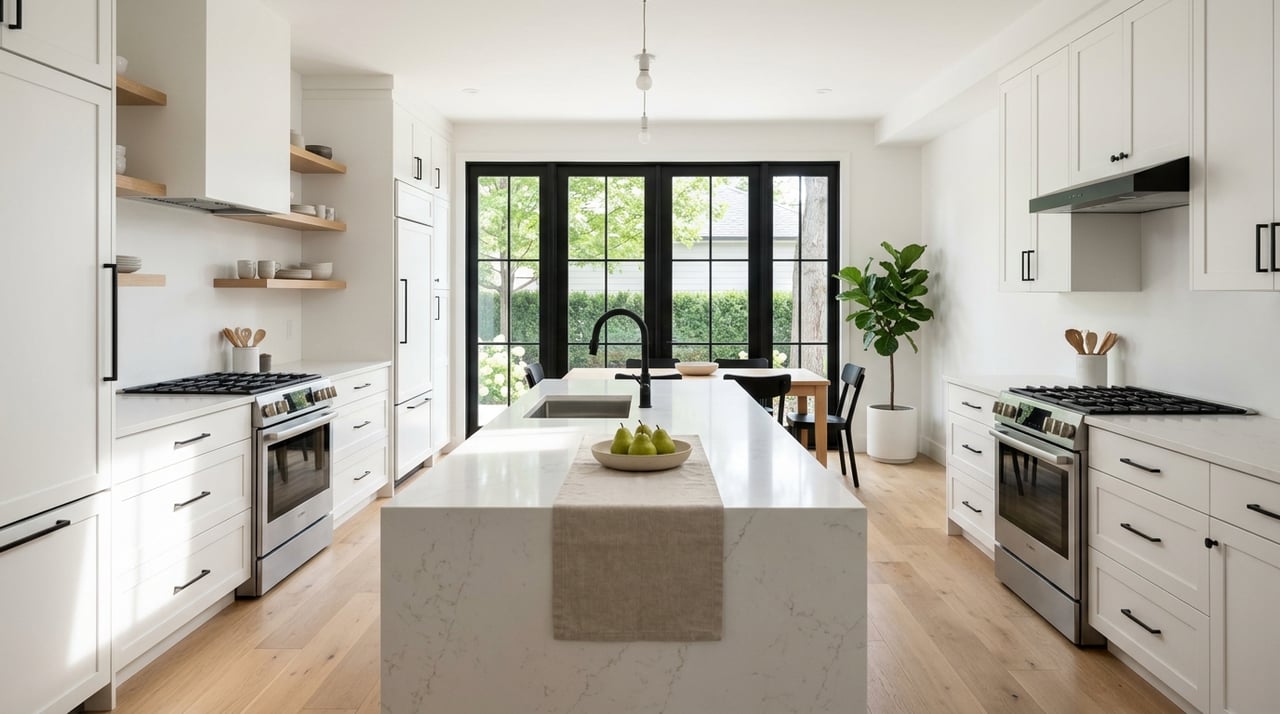
If you want a home that feels ready for modern daily life right away, newer construction may be the better fit. New homes are more likely to have open or partially open layouts, especially around the kitchen, dining, and family room areas. For many buyers, that means easier entertaining, better sightlines, and a more connected main floor.
National housing data also show that newer single-family homes are more likely to be 2,000 square feet or larger. In practical terms, that often translates into more gathering space and a layout that needs fewer immediate changes.
For some buyers, the appeal of a newer home is not just style. It is also the possibility of fewer early projects after move-in. If you want modern flow and features without planning a remodel right away, new construction can reduce the number of decisions waiting for you after closing.
That can be especially helpful if you are relocating, balancing a busy work schedule, or simply want a smoother transition into the home. A newer property may offer more immediate comfort if your priority is convenience.
In La Grange, new construction is not a blank slate. Residential zoning allows a range of parcel and home sizes, with minimum lot areas from 5,000 to 16,000 square feet, minimum lot widths from 50 to 60 feet, and minimum dwelling sizes from 1,200 to 2,000 square feet depending on the district. The code also recognizes nonconforming lots of record.
That matters because a newer home in La Grange is still shaped by older lot patterns and current zoning limits. Even tear-down and infill projects are expected to fit the surrounding block and respect the broader village character. So when you buy new construction here, you are often getting a blend of newer design and established context.
If you are considering an older home with renovation potential, permit requirements should be part of your decision early on. In La Grange, permits may be required for common projects such as kitchen and bath remodels, room additions, changes in window size, HVAC work, structural changes, and finishing attic or basement space.
The village also notes that work completed without a permit can be charged a double permit fee. That does not mean renovation is a bad idea. It means you should go in with a realistic timeline and a willingness to plan carefully.
If you are thinking about a tear-down, custom build, or major addition, there is another local factor to understand. La Grange has a Design Review Overlay District, and covered projects in that district require a design review permit.
For buyers, that is important because design review can affect both timing and the final exterior design. If your dream is to build new or significantly reshape a property, it is wise to account for that process from the start.
Start with how you want your home to function every day. If you love separate rooms, architectural detail, and a home that feels one of a kind, vintage may be the right fit. If you prefer open gathering spaces and a more current interior flow, newer construction may feel easier from day one.
This is one of the most personal parts of the decision. A beautiful house only works well if it supports how you actually live.
Some buyers enjoy creating a long-term vision and updating a home over time. Others want a home that feels finished and functional right away. Neither approach is better, but being honest about your time, budget, and tolerance for disruption can save you stress later.
In La Grange, that question carries extra weight because many common improvements require permits and review. A home with great bones may still ask more of you than a newer property would.
Lot dimensions can vary meaningfully across the village. Since single-family district minimum lot areas range from 5,000 to 16,000 square feet, yard use and site feel can differ from one property to another.
Whether you are looking at an older home or newer construction, it helps to think beyond the house itself. Consider how you want to use the outdoor space and how the lot fits your lifestyle.
If you are buying for immediate move-in comfort, newer construction may offer fewer near-term projects and a more updated layout. If you are buying with a long-term plan and value original character, a vintage home may offer a more rewarding fit over time.
In a market like La Grange, where many owners stay invested in their homes and community, this choice is often less about what is better and more about what matches your priorities.
If you are stuck between the two, try narrowing the decision to three questions:
Vintage homes in La Grange tend to reward buyers who value character, established lots, and the chance to update gradually. Newer construction tends to reward buyers who prioritize open interiors, modern living, and a more predictable maintenance picture in the short term.
The good news is that La Grange offers both. If you want help weighing the options based on your lifestyle, timeline, and goals, Lisa Zaklan can guide you through the La Grange market with a thoughtful, consultative approach.
With over 25 years of sales & marketing knowledge and experience, Lisa has built her reputation on integrity & service and believes in using her experience in contract negotiations, sales and marketing to your advantage.