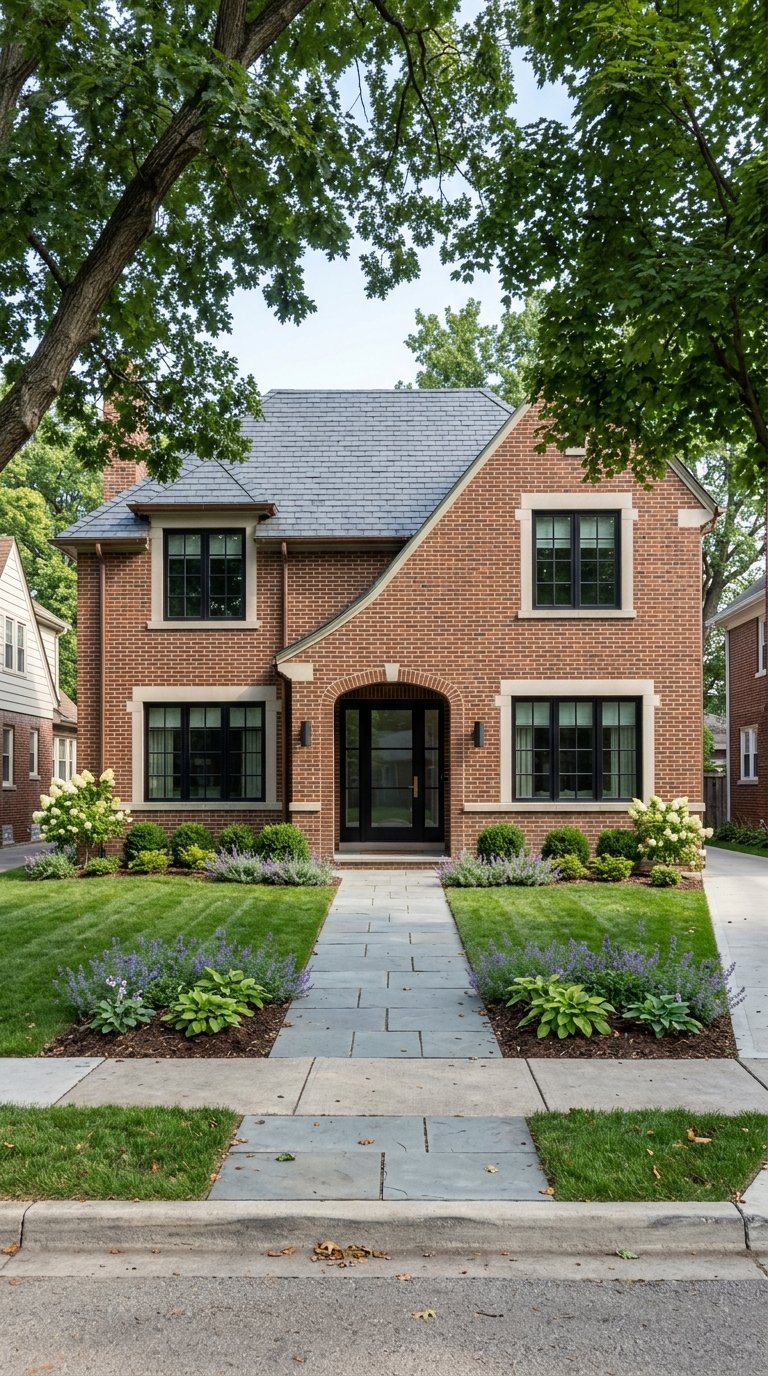
Riverside vs Western Suburbs: A Buyer’s Guide
June 4, 2026
June 4, 2026
If you are comparing Riverside to other western suburbs, you are probably trying to balance budget, commute, and day-to-day lifestyle. That can be tricky when towns along the same rail line offer very different housing prices, downtown experiences, and neighborhood character. This guide will help you see how Riverside stacks up against La Grange, Western Springs, and Hinsdale so you can narrow your search with more confidence. Let’s dive in.
Riverside stands out because it offers a distinctive historic setting at a lower price point than some of its nearby competitors. In Redfin’s three-month data ending April 2026, Riverside posted a median sale price of $548,717, compared with $574,703 in La Grange, $972,000 in Western Springs, and $1,159,401 in Hinsdale.
That pricing puts Riverside in an important position for buyers who want access to Chicago’s western suburbs without stretching into the much higher brackets seen in Western Springs and Hinsdale. It also makes Riverside especially relevant if you want character and convenience without prioritizing the top end of this market segment.
All four suburbs sit on Metra’s BNSF corridor, which means they share a strong commuter connection to Chicago. Still, they feel quite different once you look at housing style, downtown experience, and how each community uses its public space.
Here is a quick side-by-side view:
| Suburb | Median Sale Price | Rail Access | Defining Character |
|---|---|---|---|
| Riverside | $548,717 | 1 BNSF station | Historic planned village, curving streets, green parkways |
| La Grange | $574,703 | 2 BNSF stations | Walkable downtown, historic homes, active village center |
| Western Springs | $972,000 | 1 BNSF station | Residential feel, distinct neighborhoods, historic downtown |
| Hinsdale | $1,159,401 | 3 BNSF stations | Premium price tier, multiple stations, strong parks and events |
For many buyers, the biggest difference starts with affordability. Riverside is the lowest-price option in this comparison set, with La Grange only modestly higher and both Western Springs and Hinsdale significantly above it.
That does not mean Riverside feels like a compromise. Instead, it often appeals to buyers who want a visually distinctive village and a well-established housing market while keeping a closer eye on budget.
Riverside has a very specific sense of place. According to the village, it was shaped by Frederick Law Olmsted after the Riverside Improvement Company incorporated in 1869, and it still features curvilinear streets, broad green parkways, and gas-lit street lanterns.
The village has been a National Historic Landmark since 1970. Riverside also notes that it is fully developed and landlocked, which limits new development and helps preserve its established layout and appearance.
Compared with nearby suburbs, Riverside feels more landscape-driven than retail-driven. If you are drawn to town design, mature public spaces, and a setting that feels planned rather than pieced together, Riverside has a rare identity.
La Grange is Riverside’s closest comparison on price, but its lifestyle feel is different. Official village materials emphasize historic housing, a traditional downtown pattern, and a community where shopping, dining, the library, and even a movie theater are all within walking distance.
If Riverside feels shaped by scenery and street design, La Grange feels shaped by its downtown. Buyers who want a more active, walk-everywhere business district may prefer La Grange, while buyers who value open space and a quieter village plan may lean toward Riverside.
Western Springs occupies a higher price tier and is described by the village as a primarily residential community with distinct neighborhoods and a historic downtown commercial area around the BNSF line. Its official planning language also stresses a small-town, low-density character.
That gives Western Springs a polished residential feel, but at a much higher median sale price than Riverside. If your priority is a higher-end market with strong park and recreation infrastructure, Western Springs may be worth a look. If you want more pricing flexibility while still staying on the BNSF corridor, Riverside has a clearer edge.
Hinsdale is the premium option in this group. With a median sale price of $1,159,401, it sits well above Riverside and the other suburbs in this comparison.
Its value proposition looks different too. Hinsdale offers three BNSF stations, plus a visible parks and recreation presence with year-round programming and community events such as the 4th of July Parade and Festival, Fall Family Festival, and Holiday Express.
For buyers comparing lifestyle to budget, this is an important distinction. Hinsdale may suit those looking for a higher-end housing market and more station choice, while Riverside may be the stronger fit if you want character and access at a lower cost.
One of the most useful things to understand is that walkability is not identical across these suburbs. In La Grange, walkability is closely tied to downtown businesses, restaurants, boutiques, and public gathering places.
In Riverside, walkability is more about the physical setting. The village maintains more than 34 miles of road, 4 parks, Indian Garden, Swan Pond, and more than 60 islands, triangles, and commons, with public land making up nearly 40% of the village.
The Parks and Recreation Master Plan also points to Riverside’s curved streets, vegetated medians, and smaller open spaces as part of what makes it feel walkable. So if your version of walkability means scenic routes and green surroundings rather than a dense retail core, Riverside stands out.
All four suburbs benefit from the BNSF line, but station options vary. Riverside has one BNSF station in Zone 2 with 246 parking spaces.
La Grange has two BNSF stations in Zone 3, including LaGrange Road and LaGrange Stone Avenue. Stone Avenue has 501 parking spaces, and LaGrange Road also connects to Pace routes 302 and 330 and Amtrak.
Western Springs has one BNSF station in Zone 3 with 357 parking spaces. Hinsdale has the most flexibility, with three BNSF stations in Zone 3: Highlands, Hinsdale, and West Hinsdale.
For some buyers, that extra station choice matters. For others, Riverside’s single-station setup is enough, especially when paired with its lower price point and close-in location on the corridor.
Riverside’s public land footprint is one of its biggest differentiators. The village says public land accounts for nearly 40% of the community, which is unusual for a close-in suburb.
That includes four parks, Indian Garden, Swan Pond, and many smaller commons and parkways. This helps create a village experience that feels visually open and connected to the landscape.
La Grange’s park district serves 11 parks and more than 1,500 recreation programs annually. Western Springs Park District reports 13 parks and more than 90 acres of parkland, with Spring Rock Park as its 41.7-acre flagship. Hinsdale emphasizes public parks and year-round recreation programming as a key part of village life.
Each suburb offers access to parks and recreation, but Riverside’s strength is the way open space is woven into the town itself. That is a different experience from simply having a strong park district.
Riverside’s market activity also helps frame buyer expectations. In Redfin’s three-month data ending April 2026, Riverside homes were receiving about 2 offers and selling in roughly 47 days.
La Grange was somewhat more competitive at about 3 offers and roughly 50 days. Hinsdale was also somewhat competitive at around 50 days, while Western Springs was described as very competitive.
This does not mean one suburb is always easier or harder in every price range, but it does show that Riverside has been active without reaching the highest competition level in this group. For buyers, that can mean a little more breathing room than you may see in a hotter luxury-leaning market.
Riverside is often the best fit if you want a suburb with a strong historic-landscape identity, a quieter village feel, and a lower budget than Western Springs or Hinsdale. It can also be a smart option if you appreciate established character and limited new development.
You may prefer La Grange if your top priority is a more active downtown lifestyle with more businesses within easy walking distance. You may prefer Western Springs if you want a higher-price residential market with a small-town feel and robust recreation resources. Hinsdale may be the better match if you are shopping at the premium end and want multiple rail stations plus a well-developed civic recreation calendar.
The right choice comes down to how you want to live each day. Price matters, but so do the street pattern, public spaces, downtown rhythm, and commute setup that shape your routine.
If you are weighing Riverside against La Grange, Western Springs, or Hinsdale, a side-by-side strategy can save you time and help you focus on the communities that truly fit your goals. If you want thoughtful guidance on lifestyle, value, and neighborhood fit in the western suburbs, connect with Lisa Zaklan for a personalized conversation.
With over 25 years of sales & marketing knowledge and experience, Lisa has built her reputation on integrity & service and believes in using her experience in contract negotiations, sales and marketing to your advantage.